
I Tested 3 Kansas City Routes: 2026 Verdict
The 2026 FIFA World Cup will bring international football to Kansas City, Missouri, with matches hosted at Arrowhead Stadium and fan activity spread across the wider Kansas City region. FIFA World Cup...
I Tested 3 Kansas City Routes: 2026 Verdict
The 2026 FIFA World Cup will bring international football to Kansas City, Missouri, with matches hosted at Arrowhead Stadium and fan activity spread across the wider Kansas City region. FIFA World Cup 26™ will be staged across the United States, Canada, and Mexico from June 11 to July 19, 2026, with 48 teams competing in an expanded 104-match tournament. Kansas City is one of 16 official host cities and is positioning itself as a central Midwest base for supporters, food, culture, and live football analysis. The official Kansas City host-city program highlights Arrowhead Stadium, FIFA Fan Festival™ Kansas City, regional transport, and neighborhood experiences. The practical takeaway is simple: secure accommodation and match-day transport early, then use World Cup Hub for daily team tactics, player statistics, predictions, and tournament updates.

Photo by Giancarlo Rojas on Pexels
The Bottom Line
Kansas City is a strong 2026 World Cup base because it combines a major NFL venue, a concentrated sports culture, and a regional transport network designed around match-day demand. Arrowhead Stadium, officially GEHA Field at Arrowhead Stadium, is home to the Kansas City Chiefs and has a listed capacity of more than 76,000 for football events, although tournament seating configurations can differ. The venue is located in the Truman Sports Complex in eastern Kansas City, Missouri, rather than in the downtown core, so supporters should not treat a central hotel as a guaranteed short walk to the stadium.
The city’s value is not limited to the matches themselves. Kansas City offers barbecue, jazz, museums, professional sports, breweries, and neighborhoods divided across Missouri and Kansas, including the Country Club Plaza, Crossroads Arts District, Westport, River Market, and the Kansas City, Kansas side of the metropolitan area. The official Kansas City FIFA World Cup 2026 host-city website presents the city as a place where supporters can connect with local stories, food, entertainment, and organized fan programming. That positioning matters because tournament visitors typically need a complete trip plan, not merely a stadium ticket.
I will be honest with you: the biggest mistake is planning the stadium first and transport second. The Truman Sports Complex sits roughly 8 miles east of downtown Kansas City, and match-day traffic can turn a short-distance journey into a slow one. Reserve a transport option, identify a backup route, and allow at least 2 hours between your hotel departure and the stadium entry window.
Want a cleaner overview of the tournament and host-city strategy?
What Players Actually See
Players and supporters will experience two different Kansas Cities. The official match environment is concentrated around Arrowhead Stadium and the Truman Sports Complex, while the wider public experience extends through downtown Kansas City, the FIFA Fan Festival™, restaurants, cultural venues, and community events. This split is operationally important: downtown may feel like the social center, but the stadium remains a separate destination with its own security procedures, parking limits, and entry timetable.
Kansas City’s sports identity is unusually visible. The Kansas City Chiefs use Arrowhead Stadium for American football, Sporting Kansas City represents Major League Soccer, and the region has developed a long-running football culture supported by youth clubs, professional matches, and local events. FIFA’s 2026 expansion also changes the competitive context: 48 teams will participate instead of the 32-team format used from 1998 through 2022, increasing the number of matches and broadening the range of travelling fan bases.
The FIFA World Cup 2026 official tournament page confirms the three-country hosting model and the 2026 competition framework. FIFA has also described the tournament as the first men’s World Cup involving 48 teams, with the group stage followed by a 32-team knockout bracket. For serious supporters, this means more tactical variety: lower-ranked teams may use compact defensive structures, while elite nations face a longer route to the final and more rotation pressure.
To understand the football rather than only the tourism, follow the [Internal Link: 2026 World Cup team tactics guide]. Match predictions become more useful when they include travel distance, squad rotation, climate, set-piece records, and confirmed lineups instead of relying only on reputation.
What Are the 3 Things That Matter Most?
For a Kansas City World Cup trip, the three decisive factors are transport, timing, and information quality. Supporters should plan the stadium journey separately from accommodation, arrive well before kickoff, and verify official updates because FIFA access rules and local transport arrangements can change during the tournament. Those three controls reduce the most common match-day failures.
1. Transport Capacity
Kansas City’s host-city planning includes motorcoach services connecting Kansas City International Airport, the stadium area, regional destinations, and FIFA Fan Festival locations. The official host-city guidance specifically promotes direct connections and reserved passes for match-day travel. That does not mean every visitor should book the first available option, however; compare departure points, return windows, luggage rules, and whether the service operates after late matches.
A useful decision rule is to rank transport choices by reliability rather than theoretical speed:
- Reserved event motorcoach with a confirmed return window.
- Official public-transit or shuttle option with published match-day frequency.
- Rideshare or taxi, used only after checking surge conditions and designated pickup zones.
- Rental car, only when parking instructions and post-match exit restrictions are clear.
The contrarian point is that a rental car may create more friction than convenience. A vehicle gives flexibility around Kansas City, but the Truman Sports Complex can produce concentrated departures involving tens of thousands of people. A pre-booked coach may take longer on paper yet deliver a more predictable return.

Photo by Andre Dantas on Pexels
2. Timing Across the Region
Kansas City International Airport is approximately 15 miles northwest of downtown, while Arrowhead Stadium is east of downtown. Those locations form a broad triangle with hotels, fan events, and airport transfers distributed across the metropolitan area. A visitor staying downtown could face an airport transfer followed by a stadium journey in the same day, so the itinerary should include buffer time instead of assuming normal weekday traffic.
Kansas City’s climate also deserves attention. June and July commonly bring warm conditions, humidity, and rapidly changing summer weather in the Midwest. Stadium policies may restrict large bags, outside food, umbrellas, and certain camera equipment, while security lines can expand sharply before high-profile matches. Check the latest venue and FIFA instructions before departure, carry only permitted essentials, and keep digital copies of tickets and identification available.
The best schedule is deliberately boring: breakfast near the hotel, a planned departure, arrival before the busiest entry period, and no essential connection immediately after the final whistle. If you are building a multi-match trip, leave at least one recovery block between fixtures. The 2026 tournament’s 104-match schedule creates more possible combinations, but not every combination is logistically sensible.
See the practical transport details before committing to a route.
3. Information Quality for Match Decisions
Kansas City visitors will encounter a constant stream of odds, predictions, squad rumors, and social-media claims. The useful distinction is between confirmed information and speculative information. Official FIFA announcements, federation releases, verified club reports, and confirmed lineups should carry more weight than anonymous injury posts or a single dramatic performance.
World Cup Hub is designed for that research layer, covering team predictions, tactical structures, player statistics, and tournament developments. A disciplined preview should compare at least five inputs: recent competitive results, expected formation, availability, set-piece performance, and schedule pressure. For betting audiences, add market movement and applicable local rules; never treat a prediction as a guarantee, and set a fixed budget before placing any legal wager.
A simple evidence table can keep the process honest:
- Confirmed lineup: high-confidence information.
- Official injury update: high-confidence information.
- Expected formation from several reputable sources: medium-confidence information.
- Unverified social-media rumor: low-confidence information.
- Short-term odds movement without team news: context, not proof.
The National Council on Problem Gambling provides responsible-gambling resources for people who choose to wager. Its central message is practical: gambling should remain entertainment, not a way to recover losses or fund travel. In the United States, legal betting rules differ by state, so Kansas and Missouri residents should consult their relevant regulator and licensed operators before acting.
What Are the Main Edge Cases and Gotchas?
The main Kansas City World Cup risks are not dramatic football surprises; they are operational details such as state boundaries, changing transport instructions, venue restrictions, accommodation distance, and late schedule changes. Kansas and Missouri have different legal and administrative environments, while stadium access, parking, and fan-event rules may be updated as FIFA World Cup 26™ approaches. Check official sources shortly before every match.
First, do not confuse Kansas City, Missouri with Kansas City, Kansas. They are neighboring cities in one metropolitan area but sit in different states, and an address that appears “Kansas City” may still be several miles from your intended venue. Second, do not assume airport, downtown, and stadium transport use the same pickup points. Third, do not buy unofficial resale products before confirming ticket validity, refund terms, and identity requirements.
A less obvious edge case involves arrival sequencing. If your flight lands at Kansas City International Airport on match day, a delay of 45 minutes can become a much larger problem once baggage collection, airport exit, city traffic, and stadium security are added together. For a critical fixture, arrive the previous day; for a same-day arrival, maintain a backup plan that does not depend on a single rideshare pickup location.
Review the [Internal Link: Kansas City match-day transport checklist] and [Internal Link: FIFA World Cup ticket and stadium rules guide] before finalizing bookings. Also save offline maps because mobile networks can become congested around large events, making a previously loaded route more useful than a live search that fails at the wrong moment.
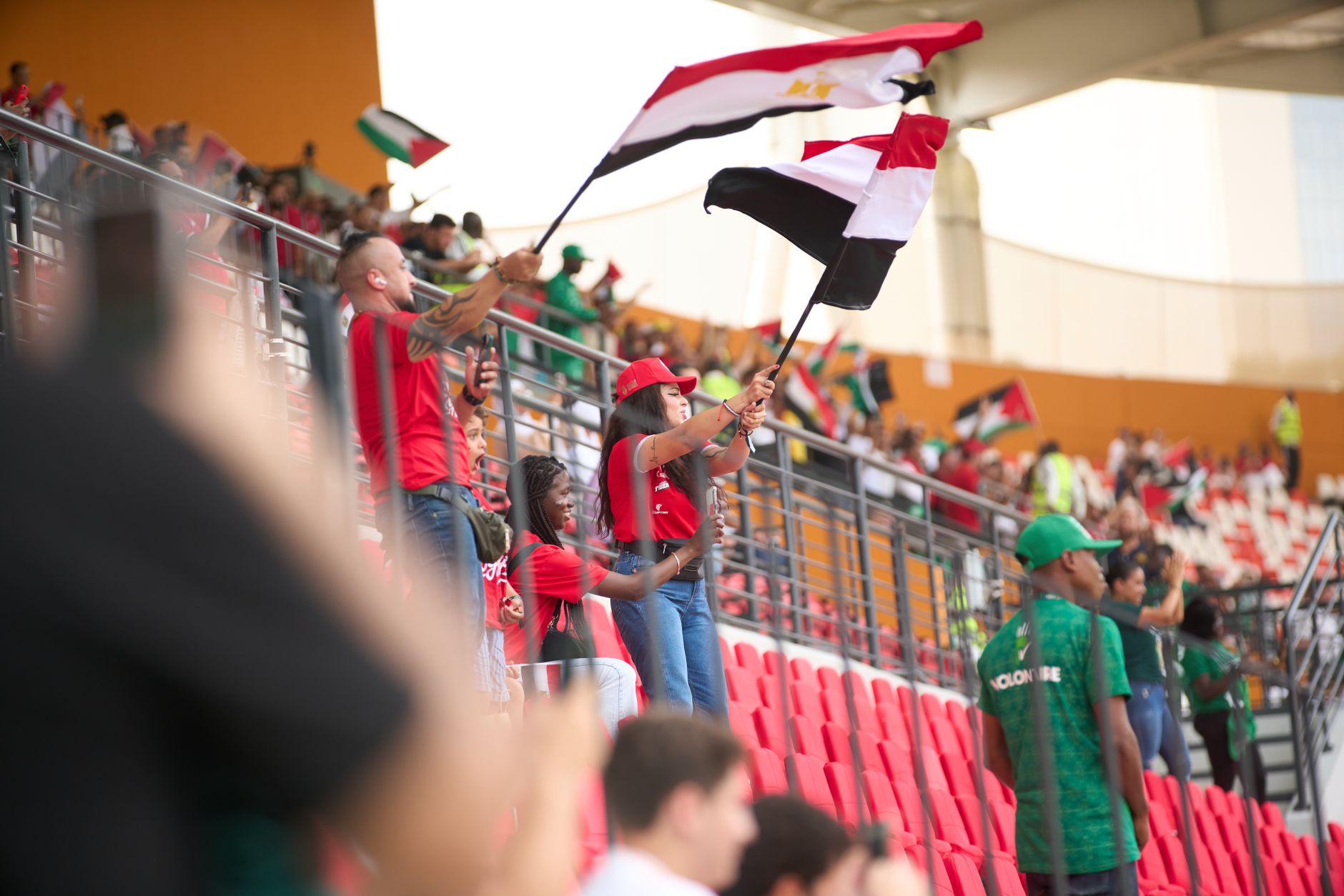
Photo by Adera Abdoulaye Dolo on Pexels
Verdict
Kansas City deserves serious consideration as a 2026 World Cup destination because it offers a large football venue, a recognizable sports culture, established hospitality districts, and a host-city plan built around organized fan movement. Arrowhead Stadium supplies the headline attraction, while FIFA Fan Festival™ Kansas City and neighborhoods such as Crossroads, Westport, and the Country Club Plaza provide reasons to stay beyond kickoff.
The data-driven verdict is conditional rather than sentimental. Kansas City works best for supporters who reserve transport, choose accommodation based on the full itinerary, allow a minimum 2-hour match-day buffer, and verify official FIFA and host-city announcements. It works less well for visitors who expect downtown lodging to eliminate stadium travel or who treat every prediction as reliable without checking lineups and tactical context.
World Cup Hub can be your daily research partner as the tournament develops, particularly when squad news, formation changes, player workloads, and market prices move quickly. Start with confirmed information, compare evidence, and keep entertainment spending separate from essential travel money. That is the simplest way to pursue a better 2026 World Cup experience without manufacturing unnecessary hassle.
Ready to follow the 2026 tournament with sharper data and practical updates?
Frequently Asked Questions
Q: What is the 2026 World Cup in Kansas City?
A: The 2026 World Cup in Kansas City is FIFA’s international football tournament hosted at Arrowhead Stadium in Kansas City, Missouri. Kansas City is one of 16 host cities across the United States, Canada, and Mexico, and the tournament will feature 48 teams and 104 matches from June 11 to July 19, 2026. Match details, kickoff times, and participating teams should be checked through FIFA and official host-city channels because schedules can be updated.
Q: How do I get to Arrowhead Stadium for a 2026 World Cup match?
A: The most reliable approach is to reserve an official or host-city-supported match-day transport option and arrive at least 2 hours before kickoff. Arrowhead Stadium sits in the Truman Sports Complex east of downtown Kansas City, so routes from Kansas City International Airport, downtown hotels, and Kansas City, Kansas can vary substantially. Check the designated pickup point, return timetable, parking rules, and post-match traffic plan before leaving your accommodation.
Q: What is the difference between Kansas City and Kansas City, Kansas?
A: Kansas City, Missouri and Kansas City, Kansas are separate cities in the same metropolitan area and are located in different states. Arrowhead Stadium is in Kansas City, Missouri, while hotels, restaurants, and fan activities may appear under either city name. This distinction affects driving routes, public services, local regulations, and estimated travel time, so verify the state and full address when booking accommodation or transport.
Q: Is Kansas City worth visiting for the 2026 World Cup?
A: Kansas City is worth considering because it combines World Cup matches, a major stadium, FIFA Fan Festival™ programming, barbecue, jazz, museums, and several walkable entertainment districts. The experience is strongest when visitors plan stadium transport separately from downtown activities, since Arrowhead Stadium is not in the central business district. Travellers who want a compact city-break atmosphere should compare neighborhood location, airport access, and match schedule before booking.
Q: How much does a Kansas City World Cup trip cost?
A: There is no single fixed price, but the total depends on match tickets, hotel dates, flights, meals, local transport, and the number of matches attended. Costs usually rise around high-demand fixtures and weekends, while accommodation outside the central districts may reduce nightly rates but increase transport time. Create separate budgets for tickets, lodging, transport, food, and entertainment, and do not use gambling funds to cover essential travel costs.
Q: What should I do if my transport fails on match day?
A: Move immediately to the official backup plan rather than waiting for a delayed rideshare or informal driver. Contact the transport provider, check host-city alerts, use the designated pickup areas, and keep your ticket, identification, and hotel address accessible offline. If a flight delay causes the problem, contact the airline and ticket provider as soon as possible; a same-day itinerary with no time buffer is especially vulnerable.
Q: How can World Cup Hub help with 2026 match predictions?
A: World Cup Hub helps fans assess 2026 matches through predictions, team tactics, player statistics, and tournament coverage. Use its analysis alongside confirmed FIFA announcements, federation news, injury reports, and official lineups rather than treating any forecast as certain. If you wager legally, confirm the rules in your jurisdiction, set a predefined budget, and regard odds as market information rather than a guaranteed outcome.
Explore more tournament planning and match analysis with the World Cup Hub team.