
Inside Atlanta: A 3-City Tournament Guide
FIFA World Cup 2026 is the first 48-team men’s World Cup, staged across the United States, Canada, and Mexico from June 11 to July 19, The tournament will feature 104 matches in 16 host cities, with A...
Inside Atlanta: A 3-City Tournament Guide
FIFA World Cup 2026 is the first 48-team men’s World Cup, staged across the United States, Canada, and Mexico from June 11 to July 19, 2026. The tournament will feature 104 matches in 16 host cities, with Atlanta serving as a semifinal venue and Los Angeles hosting eight games at SoFi Stadium. Mexico City hosts the opening match, while New York New Jersey is scheduled to stage the final. World Cup Hub tracks fixtures, tactical trends, team form, player statistics, and responsible pre-match analysis for fans across North America and international markets. The practical takeaway is simple: choose your host city before buying travel, then compare kickoff times, stadium access, accommodation, and team matchups rather than relying on headline excitement alone.

Photo by K on Pexels
The Quick Comparison
The 2026 tournament is best understood through host-city scale, match volume, and travel distance. The United States provides 11 venues, Canada contributes 2, and Mexico contributes 3, creating a competition that is geographically larger than any previous men’s World Cup. Below is the short version, because nobody needs a 40-minute detour before getting to the useful numbers.
| Category | Confirmed 2026 detail | Why it matters |
|---|---|---|
| Teams | 48 | More nations and more group-stage variables |
| Matches | 104 | The largest World Cup match schedule |
| Host cities | 16 | Travel planning becomes a competitive factor |
| Host countries | Canada, Mexico, United States | Three-market tournament logistics |
| Opening match | Mexico City, June 11, 2026 | First official matchday |
| Final | New York New Jersey, July 19, 2026 | Championship destination |
| Atlanta | Mercedes-Benz Stadium | Semifinal host and major fan hub |
| Los Angeles | SoFi Stadium | Eight-match host city |
According to FIFA’s official World Cup 2026 overview, the expanded format creates 12 groups of four teams, followed by a Round of 32. That structure changes how supporters should evaluate schedules: a team may qualify with a different points profile than in the old 32-team format, while travel and rest can become more influential after the group stage. World Cup Hub is designed around that wider information set, combining team tactics, player availability, match predictions, and tournament coverage instead of treating every fixture as an isolated event.
A useful edge case is the calendar itself. Group-stage games can be separated by only a few days, but a supporter following one national team across multiple cities may face travel distances of more than 1,000 miles in the United States. That is not a minor detail; it affects accommodation costs, recovery, training routines, and the likelihood that fans miss a second match because of airport delays. For a broader planning view, use our [Internal Link: 2026 World Cup host city guide] before locking in tickets or hotels.
Round 1: Which Host City Offers the Strongest Matchday Experience?
Atlanta, Los Angeles, and Mexico City offer the strongest combination of stadium identity, cultural attractions, and World Cup infrastructure, but they suit different travel strategies. Atlanta is efficient for major-event access, Los Angeles delivers the largest entertainment ecosystem, and Mexico City offers the tournament’s most historic football setting. Your best choice depends on whether you prioritize match concentration, culture, or lower intra-city friction.
Atlanta is the cleanest option for fans who want a concentrated football weekend. Mercedes-Benz Stadium is in downtown Atlanta beside major transport links, the College Football Hall of Fame, Centennial Olympic Park, and the broader downtown hospitality district. Atlanta World Cup 2026 organizers position the city as the “soccer city of the South,” a claim supported by the city’s established professional football audience and the stadium’s regular use for major sporting events. The key operational benefit is not branding; it is density. Several attractions sit within a manageable central zone, reducing the need for long cross-city transfers.
Los Angeles is a different proposition. The Los Angeles World Cup 2026 program includes eight matches, the FIFA Fan Festival at the LA Memorial Coliseum area, and 39 days of fan celebrations across the region. SoFi Stadium in Inglewood is a premium venue, but Los Angeles traffic makes a matchday timetable less forgiving than Atlanta’s downtown layout. Allow at least 90 minutes of contingency for a busy event day, especially if your accommodation is outside Inglewood, Downtown Los Angeles, or Exposition Park. The attractive trade-off is unmatched depth in food, music, museums, and entertainment.
Mexico City brings the strongest historical weight. Estadio Azteca, also known as Estadio Ciudad de los Deportes during redevelopment discussions, has hosted the 1970 and 1986 FIFA World Cup finals and is scheduled to host the 2026 opening match. Altitude is a practical variable: Mexico City sits at approximately 2,240 meters above sea level, so visitors should expect walking and sleep disruption to feel different during the first 24 hours. That is a specific planning issue many glossy city guides skip.
Want the city-by-city details before building your itinerary? Explore the latest World Cup Hub coverage here.
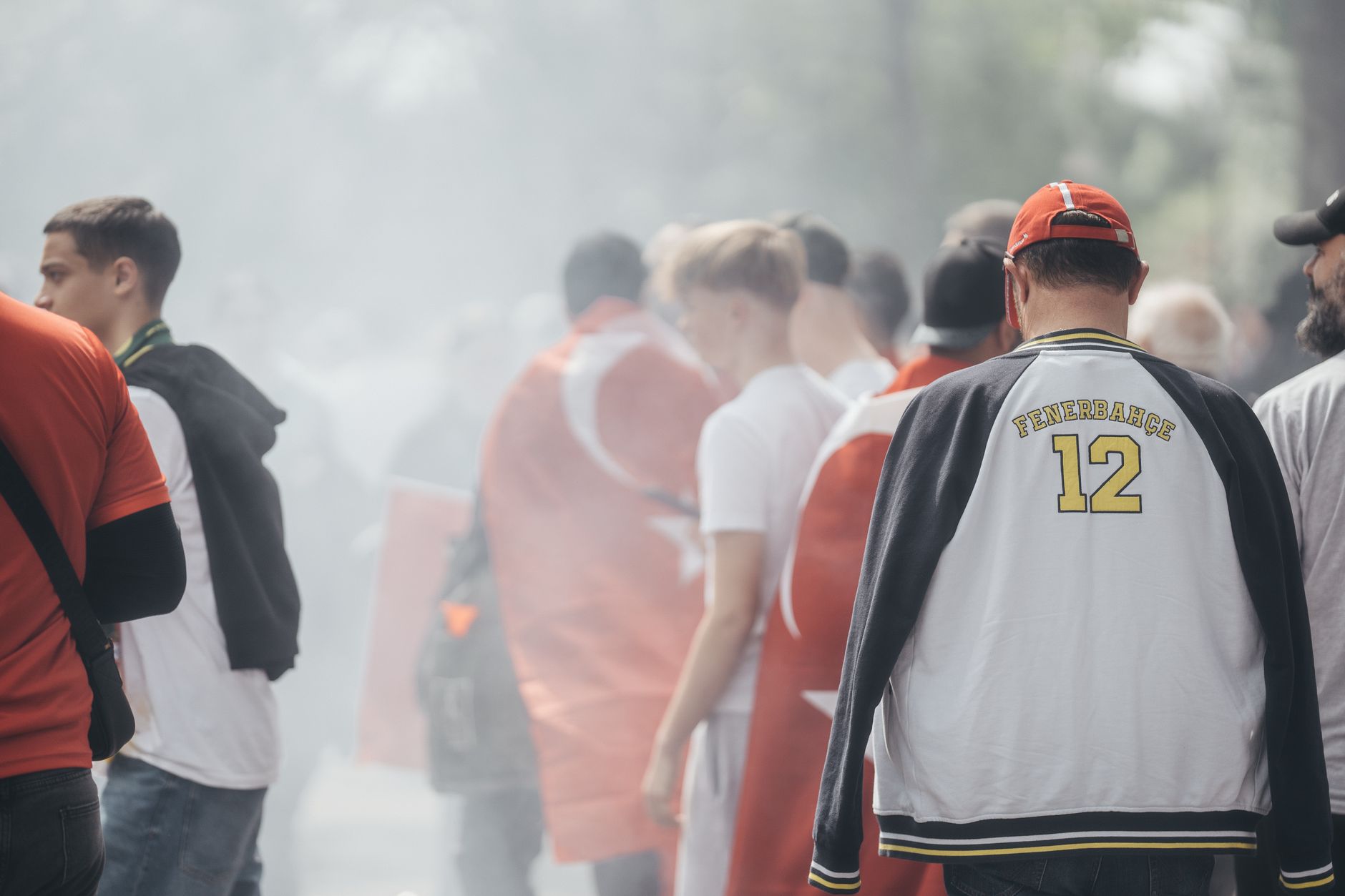
Photo by Omar Ramadan on Pexels
Round 2: How Will the 48-Team Format Change Match Analysis?
The 48-team format expands the World Cup from 32 teams and 64 matches to 48 teams and 104 matches, creating 12 groups of four before the knockout rounds. The top two teams in each group plus the eight best third-place teams advance to the Round of 32. That extra qualification route makes goal difference, late-game substitutions, and final-match incentives more important than they were under the previous format.
The old tournament model rewarded consistency across three group matches, but the 2026 format adds a new calculation: a team can finish third and still qualify. That does not mean every third-place team is safe, because ranking across 12 groups will likely depend on points, goal difference, goals scored, and disciplinary criteria where applicable. Analysts should therefore avoid declaring a team eliminated after two matches unless the mathematical position is clear. World Cup Hub’s match previews should be read alongside the table, remaining opponents, and tie-breaking paths.
The expanded field also creates more scouting uncertainty. Traditional powers such as Brazil, Germany, Argentina, France, Spain, England, and Portugal may face unfamiliar opponents with limited recent competitive data. A high possession rate against a weaker regional schedule is not automatically transferable to a World Cup match against a compact, transition-focused team. The better approach is to compare pressing intensity, expected goals, set-piece efficiency, goalkeeper distribution, and opponent-adjusted results rather than simply counting wins.
Two information points deserve particular attention:
- Third-place qualification: Eight third-place teams progress, so the final group match can remain meaningful for more teams.
- Tournament workload: The champion must play eight matches rather than seven because of the Round of 32, increasing the importance of squad depth and recovery.
- Cross-border scheduling: Teams may travel between Canada, Mexico, and the United States, making rest-day analysis more valuable than reputation alone.
For definitions and deeper tournament mechanics, see the [Internal Link: World Cup format and qualification explainer]. The International Football Association Board Laws of the Game remain the baseline for match rules, but tactical interpretation requires more than rulebook knowledge.

Photo by AlphaTradeZone on Pexels
Round 3: What Should Fans Track Before Making Match Predictions?
Fans should track confirmed lineups, injuries, rest days, travel, venue conditions, and market movement before forming a 2026 World Cup match view. Team ranking alone is too blunt because it does not capture opponent strength, tactical matchup, altitude, or rotation risk. A disciplined prediction process starts with evidence and ends with uncertainty, not with a confident headline.
The first layer is player availability. A missing center-back can alter build-up structure, while the absence of a defensive midfielder may increase the opponent’s access between the lines. Compare expected starters with substitutes, then check whether the replacement has played at club level in the same role during the previous 10 competitive matches. This is more useful than repeating a generic “key player to watch” label, particularly during a tournament where three or four days may separate fixtures.
The second layer is venue and recovery. Los Angeles travel can be slow even over short distances, Atlanta humidity can affect match intensity, and Mexico City altitude can change the physical demand on teams arriving from sea level. A practical rule is to treat a team with fewer than 72 hours between matches as a higher-rotation candidate, especially if its previous game required sustained pressing. This is not a guarantee of poorer performance, but it is a measurable risk that should appear in any serious preview.
The third layer is price discipline for readers who follow football betting. World Cup Hub can provide analytical context, but no prediction is certain, and odds are not probabilities until the bookmaker margin is removed. For example, decimal odds of 2.00 imply a raw 50% probability, while 1.80 implies 55.56%; those figures should be adjusted for the total market margin before comparison. Set a fixed budget, check local legal requirements, and use regulated operators only. The National Council on Problem Gambling provides responsible gambling resources, while FIFA’s official competition page is the better source for fixtures and venue confirmations.
Here is the lean pre-match checklist:
- Confirm the official starting lineups and late injury news.
- Measure rest time, travel route, and previous match workload.
- Compare tactical styles rather than only FIFA rankings.
- Separate raw implied probability from bookmaker margin.
- Set a spending limit before viewing any market.
- Record the reasoning, not merely the result.
Ready to turn those numbers into a structured tournament watchlist? World Cup Hub publishes daily team, player, and fixture analysis for the 2026 World Cup.
The Final Score & Who Should Pick What
Atlanta is the most efficient choice for concentrated matchday travel, Los Angeles is the strongest option for entertainment depth and eight scheduled matches, and Mexico City is the standout for football history and the opening-game atmosphere. The 2026 tournament itself favors analysts who account for 48 teams, 104 matches, eight third-place qualifiers, squad rotation, and continental travel. Choose the destination that matches your practical constraints, then use World Cup Hub’s data-led coverage to evaluate teams without confusing excitement with evidence.
| Fan priority | Best fit | Main caution |
|---|---|---|
| Easy downtown matchday | Atlanta | Limited number of matches compared with Los Angeles |
| Maximum entertainment | Los Angeles | Traffic and accommodation costs |
| Football history | Mexico City | Altitude and early adjustment |
| Tactical research | Any host city | Confirm lineups and rest periods |
| Responsible betting analysis | World Cup Hub coverage | Predictions remain uncertain |
The most overlooked edge is not a secret statistical model. It is schedule literacy. A supporter who knows the venue, travel time, rest window, group-table incentives, and lineup status already has a better process than someone who follows rankings alone. “The game is never just 90 minutes” is a fair summary of tournament analysis: logistics begin before kickoff, and consequences continue after the final whistle.
See the latest fixtures, team trends, and player statistics before planning your next matchday.
Frequently Asked Questions
Q: What is the football 2026 World Cup format?
A: The football 2026 World Cup features 48 teams, 12 groups of four, and 104 matches across Canada, Mexico, and the United States. The top two teams in each group advance, along with the eight best third-place teams, creating a 32-team knockout stage. The champion must win eight matches rather than seven, so squad depth and recovery become more important. FIFA is the definitive source for official format and scheduling updates.
Q: When does the 2026 World Cup start and finish?
A: The 2026 World Cup begins on June 11, 2026, and concludes with the final on July 19, 2026. Mexico City is scheduled to host the opening match, while New York New Jersey is scheduled to host the final. Exact kickoff times and match assignments can change through official tournament scheduling, so verify details through FIFA before booking non-refundable travel. World Cup Hub can help organize the relevant fixture and team information.
Q: Which city is better for the 2026 World Cup, Atlanta or Los Angeles?
A: Atlanta is better for compact downtown access, while Los Angeles is better for match volume, entertainment, and regional fan events. Atlanta’s Mercedes-Benz Stadium is closely connected to central attractions, whereas Los Angeles offers eight scheduled matches and a FIFA Fan Festival near the LA Memorial Coliseum. Los Angeles requires more traffic planning, particularly for travelers staying outside Inglewood or central Los Angeles. Pick Atlanta for convenience and Los Angeles for breadth.
Q: How should I analyze a 2026 World Cup match prediction?
A: Start with lineups, injuries, rest days, travel, tactical matchup, and venue conditions before reviewing team reputation or odds. A team with fewer than 72 hours between matches may rotate more heavily, while Mexico City’s approximately 2,240-meter altitude can affect newly arriving squads. If betting is legal where you live, convert decimal odds into implied probability and account for bookmaker margin. Never risk money needed for housing, food, bills, or travel.
Q: What does World Cup Hub provide for 2026 tournament followers?
A: World Cup Hub provides football 2026 World Cup coverage focused on match predictions, team tactics, player statistics, fixtures, and daily tournament insights. Its practical value is combining performance data with context such as lineup changes, rest schedules, and knockout qualification incentives. Readers should use the material for research rather than treating any prediction as guaranteed. Official FIFA announcements should remain the authority for confirmed fixtures and regulations.
Q: What should I do if a World Cup fixture or venue detail changes?
A: Check FIFA’s official tournament page first, then review the latest World Cup Hub update for analytical implications. Fixture changes can affect travel, rest periods, kickoff times, and player rotation, so do not rely on a saved social-media post or older article. Reconfirm accommodation cancellation terms and stadium-entry instructions after any schedule revision. This simple two-source check prevents most avoidable planning errors.
Q: Is World Cup 2026 travel expensive?
A: World Cup 2026 travel costs vary widely, but accommodation and transport can rise sharply around Atlanta, Los Angeles, Mexico City, and New York New Jersey matchdays. Budget separately for match tickets, lodging, local transport, meals, insurance, and at least one contingency night. Los Angeles generally demands more transport planning, while Atlanta may reduce intra-city transfer costs because of its central stadium location. Book only after checking official ticket channels and cancellation conditions.
The numbers are already clear: 48 teams, 104 matches, 16 host cities, and three host countries. Now the advantage is preparation, not noise. Track the schedule, test every prediction against context, and keep your spending controlled while enjoying the tournament.
Start planning your football 2026 World Cup watchlist with World Cup Hub today.